Rebuilding a Company Around People, Not Power

Have you ever met someone and felt like you skipped the small talk and jumped straight to the real stuff? That’s how it felt speaking to Rodrigo Ventre, CEO-turned-revolutionary at EPPO Cidades Inteligentes.
Within minutes of our interview, we were deep in conversation—not about strategy decks or org charts, but about purpose, family, childhood, and a 19-year-old’s existential crisis.
Rodrigo wasn’t putting on a show. He was showing up.
He shared how he once turned away from his family’s company to find his own path—only to return years later and break it apart to rebuild it. He spoke of the tension between legacy and vision, and what it means to lead a transformation with heart.
And this wasn’t a one-off. Joost had a call with Rodrigo weeks earlier and what was supposed to be a quick chat turned into a three-hour deep conversation. We knew immediately: this is a story worth sharing.
What followed was bold, raw, and radically inspiring.
From family business to organizational reinvention
EPPO started as your typical family-run operation. Founded by Rodrigo Ventre's father nearly 30 years ago, it grew through construction and waste management. Business was good. Then it plateaued.
By 2013, it was obvious: what got them here wouldn’t get them there.
Enter Rodrigo. Consulting background. Anthroposophy in his bloodstream. A spiritual seeker with a business brain. He didn’t just want to save the company—he wanted to reinvent it.
Phase 1: Burn the old map (the restructure)
Rodrigo's first move? Tackle things head-on. Over a few years, around 400 employees left. Construction—unstable, political, and low-margin—was slowly axed. Waste management took center stage.
Was it pretty? Nope. Was it necessary? Absolutely.
People rarely share the messy part of change—and it’s something we explore often in our Masterclass. But this is one of the many things that sets Rodrigo apart.
"We didn’t sugarcoat it. The transformation was hard. Necessary, but hard."
What emerged was a leaner and more aligned company—ready to trade bureaucracy for boldness.
Phase 2: Turn up the humanity (people first)
Next came the people.
The Leader of Yourself program became EPPO’s beating heart. Employees shared life stories. Theater sessions broke down walls. Managers got coached by street sweepers.
"We had a session where a street sweeper was facilitating a workshop for a new manager. That’s what this culture is about."
One unforgettable moment: After an employee passed away, his wife chose to celebrate his birthday at EPPO.
Culture wasn’t a buzzword. It was lived.
But too much harmony turned into a new problem: death by consensus.
"Everyone felt heard, but I was still making most big decisions."
Phase 3: Give away the power (self-management 2.0)
So they pushed further. No more CEO. No more command-and-control. Just circles, roles, and radical trust.
EPPO adopted O2, a governance model mashing up Holacracy and Sociocracy—but made it their own.
The (un)power moves:
- Eliminated the CEO role: Rodrigo stepped out. There’s no default boss. Responsibilities are now spread across roles and circles—real power shared by design.
- Circle-based governance: The company runs on interconnected circles, each with clear purpose and boundaries—no more waiting for top-down approval.
- Roles over titles: People energize roles instead of clinging to job titles. You know what you're responsible for—and so does everyone else.
- Budgets go horizontal: Instead of one CFO calling the shots, budget decisions flow through a dedicated Future EPPO circle, with expert voices and shared authority.
- Trust safeguards: EPPO built-in external ethics channels—so people can raise concerns safely and transparently. Trust is not assumed; it's protected.
Rodrigo called it "freedom within a framework."
The real battle? Unlearning hierarchy
In Brazil, top-down is the default. Self-management meant rewiring brains.
"We had to move from consensus to clarity. From participation to ownership."
This mindset shift—from traditional leadership to shared power—is something participants ask about constantly in our Masterclass. Rodrigo’s story brings it to life.
Results? Oh yes.
- Net margin: Up from 3% to 20%
- EBITDA: 45%
- #1 Best Company to Work For in Services (Brazil, 2022)
These images say more than words ever could.
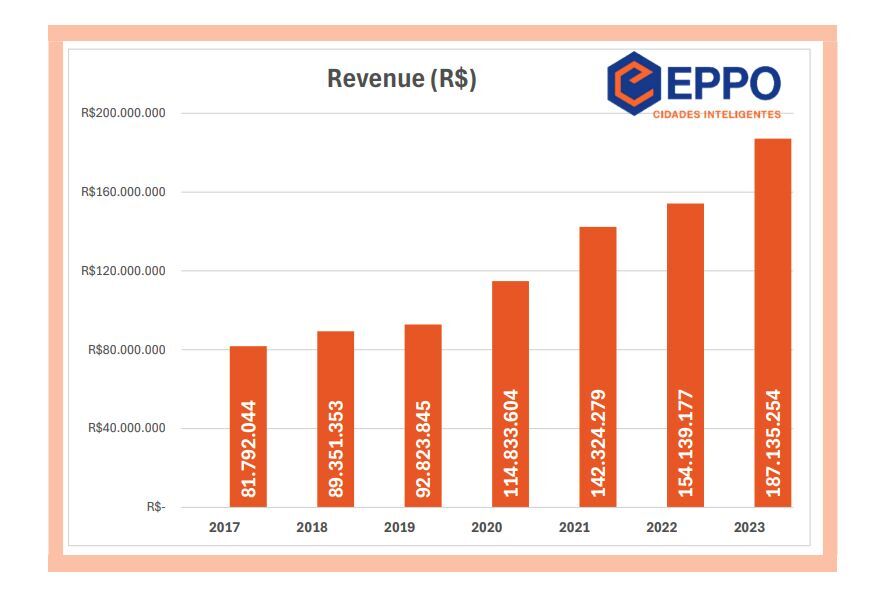
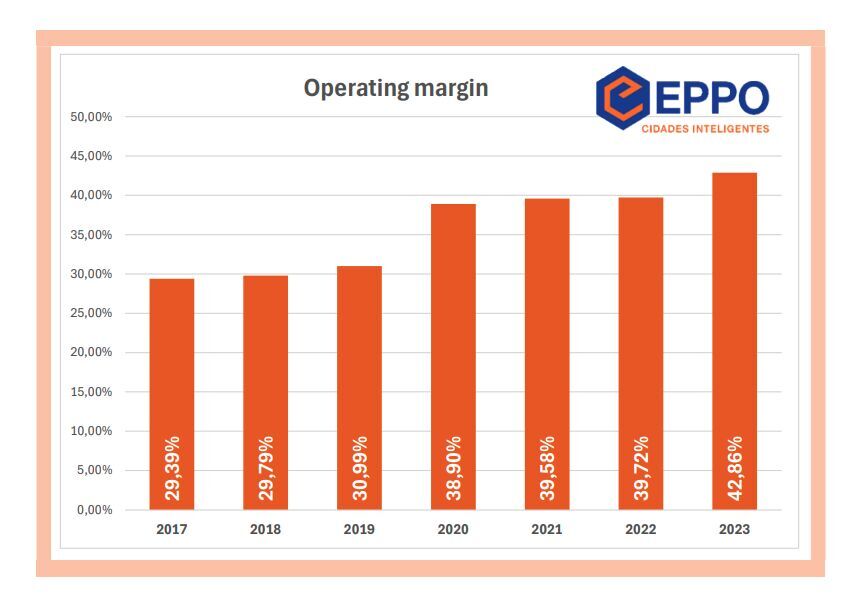
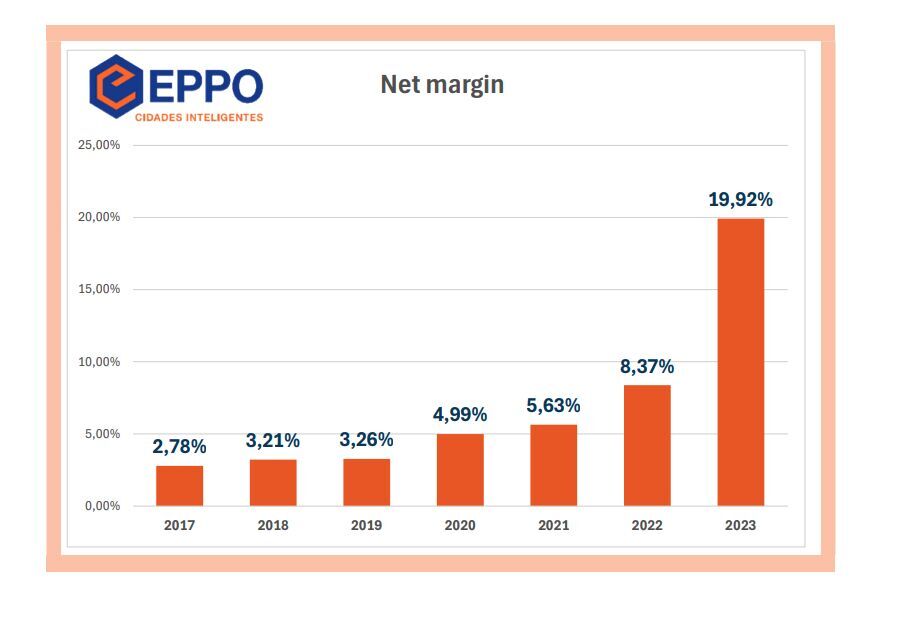
Oh, and they serve over 700,000 people every day.
Five lessons from EPPO
- Stop tweaking. Start redesigning.
- Consensus isn’t clarity. Be clear who decides what.
- Human-first isn’t soft. It’s your competitive edge.
- Burn your org chart. Circles work better.
- Want real change? Challenge ownership.
"We talk so much about changing leadership. But the real revolution is changing ownership." — Rodrigo Ventre
Still clinging to hierarchy?
EPPO let go. They bet on people, purpose, and radical design. And it paid off—big time.
Self-management isn’t a trend. It’s a mindset.
You in?


